5 Signs You Might Need a Dental Bridge Instead of a Denture
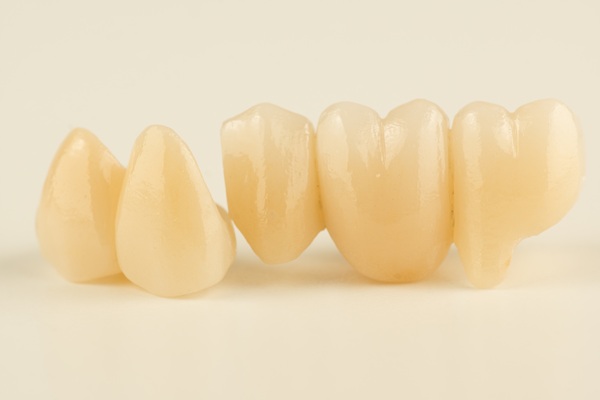
A dental bridge can provide a stable, natural-looking solution when one or more teeth are missing and a full denture feels unnecessary or uncomfortable. This treatment supports neighboring teeth, restores bite function, and improves confidence in everyday interactions. A bridge also helps protect long-term oral health by preventing neighboring teeth from drifting out of place. Understanding when a bridge may serve as a better choice than a removable denture helps patients make informed decisions about care and treatment outcomes.
Sign 1: Only a few teeth are missing in one area
A dental bridge often works best when one tooth or a small group of teeth is missing in a single section of the mouth. In this situation, a full or partial denture may feel excessive, especially if surrounding teeth remain strong and healthy. A bridge anchored to neighboring teeth or implants to fill the gap and create a seamless appearance. This option keeps the focus on replacing only the missing teeth rather than covering an entire arch. Patients who see an isolated space in an otherwise healthy smile often benefit from a targeted bridge rather than a larger removable appliance.
Sign 2: Neighboring teeth are healthy enough to support a restoration
Strong teeth that border a gap provide a solid foundation for a dental bridge. When these teeth show good bone support, stable enamel, and healthy gums, they can often support crowns that hold the bridge in place. This design eliminates the need for removable clasps or plastic components that may irritate with some partial dentures. When neighboring teeth already require crowns for decay or fractures, a bridge can address multiple concerns in a single treatment plan. The result is a restoration that strengthens existing teeth while also filling the space in a natural-looking way.
Sign 3: Preference for a fixed, non-removable option
Many patients prefer a solution that stays in place at all times instead of a removable denture that requires removal for daily cleaning and overnight soaking. A dental bridge remains fixed in the mouth, so it functions and feels closer to natural teeth. With proper brushing, flossing, and regular dental visits, a bridge can provide reliable performance throughout everyday activities. This stability can be especially helpful for speaking clearly, chewing comfortably, and feeling confident during social or professional interactions. Patients who feel anxious about a denture slipping often appreciate the security that a fixed bridge offers.
Sign 4: Difficulty adjusting to a partial denture
Some patients struggle to adapt to partial dentures because of bulkiness, movement, or pressure on the gums. Sore spots, slipping, or difficulty chewing that continue despite adjustments may signal the need for a different approach. A dental bridge distributes chewing forces through the supporting teeth instead of resting on soft tissue, which often improves comfort for sensitive mouths. Because a bridge rests higher and does not require a large acrylic base, it can feel less intrusive on the tongue and cheeks. Patients who feel frustrated by repeated denture adjustments may find that a well-designed bridge offers a more streamlined, predictable experience.
Sign 5: Concern about bone loss and tooth movement
Leaving spaces in the smile can lead to gradual shifting of nearby teeth and changes in bite alignment. In some cases, bone loss can occur in areas where teeth are missing, especially when no chewing pressure stimulates the jaw. A dental bridge fills the gap and helps maintain proper spacing between teeth, which supports a more stable bite over time. When combined with good oral hygiene and routine professional care, a bridge can contribute to healthier gums, stronger remaining teeth, and a more balanced smile. Addressing missing teeth early with a bridge or another appropriate restoration helps protect long-term oral health and overall facial appearance.
Talk with a dentist about dental bridge options
Every mouth is unique, and the choice between a dental bridge and a denture depends on the number of missing teeth, the condition of supporting teeth, gum health, and lifestyle preferences. A thorough examination, dental X-rays, and a conversation about daily habits all help a dentist recommend the most appropriate option for lasting comfort and function. Patients who recognize any of these signs can schedule a consultation to learn whether a bridge may offer greater stability, convenience, and confidence than a removable denture, and to receive a personalized treatment plan that supports a healthy, complete smile. For more information or to schedule an appointment, call our office.
To schedule a consultation, please request an appointment on our website at https://www.sunnydentalbakersfield.com or call Sunny Dental Bakersfield at (661) 369-7115 to arrange an appointment at our Bakersfield office.
Check out what others are saying about our dental services on Yelp: Dental Bridges in Bakersfield, CA.
Related Posts
Dental bridges are a reliable and effective solution for replacing missing teeth, restoring both the function and appearance of the smile. They fill the gaps created by one or more absent teeth, preventing surrounding teeth from shifting and maintaining proper alignment. Dental bridges offer a long-term solution that supports oral health, enhances chewing and speaking,…
A dental crown is a common restorative solution that helps protect and strengthen damaged teeth. By understanding what happens during the treatment process, you can approach it with confidence. The following comprehensive guide explains each stage involved, from the initial evaluation to long-term care.A dental crown is a custom-made cap placed over a tooth to…
Full mouth reconstruction is the process in which a dentist helps their patient by reconstructing and/or replacing the patient's teeth. The dentist helps the patient determine exactly what work needs to be done to make their smile look nice and have overall better oral health.Although the process of having these procedures done can sometimes be…
An emergency dentist can provide urgent care when an accident causes a tooth to loosen, shift, or come completely out of its socket. A dislodged tooth needs prompt attention because prompt treatment may improve the chance of saving the natural tooth and limit the impact on the gums, jawbone, nearby teeth, and nerves. Our dentist,…