A Step-by-Step Guide to Getting a Dental Crown
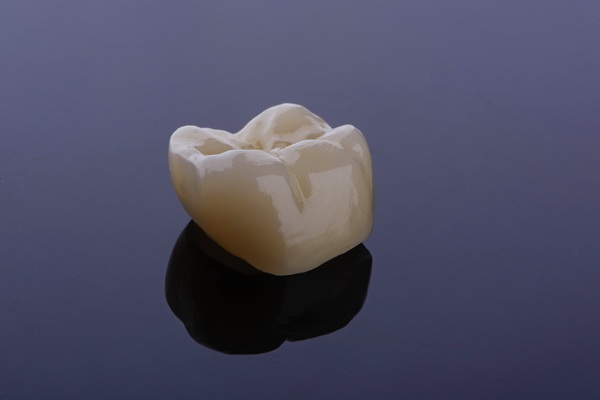
A dental crown is a common restorative solution that helps protect and strengthen damaged teeth. By understanding what happens during the treatment process, you can approach it with confidence. The following comprehensive guide explains each stage involved, from the initial evaluation to long-term care.
Understanding dental crowns
A dental crown is a custom-made cap placed over a tooth to restore its shape, size, strength, and appearance. It fully encases the visible portion of the tooth above the gum line. General dentists often recommend crowns in the following situations:
- Severely decayed teeth
- Fractured teeth
- Previous extensive dental work
- Improve the appearance of the patient's smile
- Support other restorations like bridges
- Abutments for single dental implants
Modern dental crowns are crafted from materials such as porcelain, ceramic, metal alloys, zirconia, or combinations of these. The choice depends on factors including durability, patient preference, and the location of the tooth. For example, the dentist may recommend a porcelain crown for a patient with a damaged front tooth. Meanwhile, they may recommend a metal crown for a molar, as it is less visible and can withstand everyday chewing and biting forces.
A step-by-step guide to dental crown placement
Step 1: Initial examination and diagnosis
The process begins with a comprehensive dental examination. During this visit, the general dentist evaluates the affected tooth and surrounding structures using visual inspection and diagnostic imaging such as X-rays. This step determines whether a dental crown is the most appropriate treatment compared to more conservative methods such as fillings, inlays, and onlays. If the tooth shows signs of severe decay, cracks, or structural weakness, a crown may be recommended to prevent further damage. In severe cases of decay and infection, the dentist may need to perform additional procedures, such as root canal therapy, before crown placement.
Step 2: Tooth preparation
Once the treatment plan is established, the dentist prepares the tooth to receive the crown. During this step in the process, the dental team will reshape the tooth by removing a portion of the outer structure. The goal is to create adequate space for the crown while preserving as much healthy tooth material as possible. That said, if the tooth has damage or decay, the dentist may use filling material to rebuild the core before shaping the tooth.
Step 3: Impressions and shade selection
After preparation, the dental team will take detailed impressions of the damaged tooth and surrounding teeth. These impressions may be captured using traditional dental putty or advanced digital scanning technology. The resulting model serves as the blueprint for creating the custom crown. At this stage, the dentist also selects the appropriate shade to match the natural color of adjacent teeth. This step is particularly important for crowns on visible teeth, as it helps achieve a seamless, natural appearance.
Step 4: Temporary crown placement
While the permanent crown is being fabricated in a dental laboratory, a temporary crown is placed over the prepared tooth. This temporary restoration protects the tooth, maintains proper spacing, and allows normal function during the waiting period. Temporary crowns are typically made from acrylic or composite materials. Although these crowns help the patient maintain everyday dental function, they are not as strong as permanent crowns and require careful handling.
Step 5: Fabricating the permanent crown
The impressions and specifications are sent to a dental laboratory, where skilled technicians craft the permanent dental crown. This process may take one to two weeks, depending on the materials used and the complexity of the case. Additionally, some practices offer same-day crowns using computer-aided design and manufacturing technology. These crowns are designed, milled, and placed in a single visit, eliminating the need for a temporary crown.
Step 6: Final placement and adjustment
Once the permanent crown is ready, the dental team will remove the temporary crown. The dentist will then check the fit, shape, and color of the new crown to ensure accuracy and comfort. They will take time to make adjustments as needed to achieve proper bite alignment. After confirming that the crown fits and is comfortable, the dentist will permanently cement the crown in place.
Step 7: Aftercare and long-term maintenance
After getting a crown, patients will need to take proper care of it to extend its lifespan. These habits will include regular brushing and flossing to help prevent decay at the crown margins. Additionally, keeping up with routine dental checkups allows dental professionals to detect the early signs of issues, such as a loose crown. Avoiding habits such as chewing ice or hard objects can reduce the risk of damage. With the right care, crowns can last decades. providing reliable oral function and contributing to the appearance of the patient's smile.
Get a dental crown in the Bakersfield area
Understanding each step involved in receiving a dental crown can help clarify what to expect throughout the process. With a well-placed and cared-for dental crown, you can enjoy improved oral health and a confident smile for years to come. Call our Bakersfield office today to learn more about dental crown placement or to schedule a consultation.
Request an appointment here: https://www.sunnydentalbakersfield.com or call Sunny Dental Bakersfield at (661) 369-7115 for an appointment in our Bakersfield office.
Check out what others are saying about our dental services on Yelp: Dental Crowns and Dental Bridges in Bakersfield, CA.
Related Posts
A dental bridge can provide a stable, natural-looking solution when one or more teeth are missing and a full denture feels unnecessary or uncomfortable. This treatment supports neighboring teeth, restores bite function, and improves confidence in everyday interactions. A bridge also helps protect long-term oral health by preventing neighboring teeth from drifting out of place.…
Dental bridges are a reliable and effective solution for replacing missing teeth, restoring both the function and appearance of the smile. They fill the gaps created by one or more absent teeth, preventing surrounding teeth from shifting and maintaining proper alignment. Dental bridges offer a long-term solution that supports oral health, enhances chewing and speaking,…
An emergency dentist can provide urgent care when an accident causes a tooth to loosen, shift, or come completely out of its socket. A dislodged tooth needs prompt attention because prompt treatment may improve the chance of saving the natural tooth and limit the impact on the gums, jawbone, nearby teeth, and nerves. Our dentist,…
A dental implant offers a stable, natural-looking way to replace a single missing tooth while protecting the balance of the bite and long-term oral health. Just one missing tooth can impact a range of areas in the mouth, from how the teeth fit together to the underlying jawbone. That is why it is important to…